Tekken 3 Beginner Guide
If this is your first time playing Tekken 3, you do not need advanced combos or deep matchup knowledge to start having fun. What you need first is a simple character choice, a calm rhythm, and a clear idea of what to practice in your first few matches.
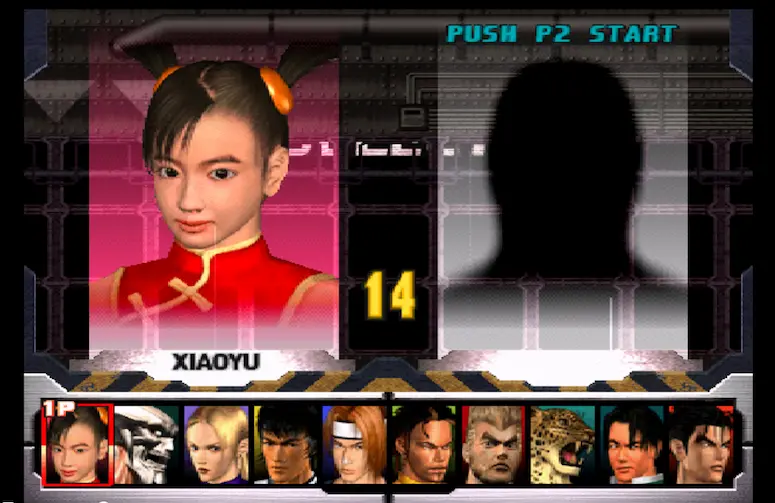
Pick a Starter Character First
The best opening move in Tekken 3 is choosing a character who makes the game easier to read. You can branch out later, but your first few sessions should use a fighter whose pace and reward structure are obvious.
- Paul Phoenix if you want straightforward power and clear punish value
- Marshall Law if you want speed and pressure right away
- Jin Kazama if you want a balanced all-around style
- King if you like close-range pressure and stronger presence
If you want more detail on the roster, use the dedicated Tekken 3 characters page.
Your First 30 Minutes
If you are completely new, do not treat the first session like a ranked grind. Use it to build a stable base. The goal is not to look advanced. The goal is to stop feeling random.
- Minutes 1 to 5: pick one starter character and only test movement, crouching, jumping, and basic attack buttons.
- Minutes 5 to 10: find two attacks you can land comfortably and one attack that feels slower but stronger.
- Minutes 10 to 20: play a few rounds while forcing yourself to block first before swinging back.
- Minutes 20 to 30: start looking for one clean punish after the opponent misses, instead of pressing every time you recover.
What To Learn First
New players often waste time chasing advanced-looking ideas before they understand how rounds are actually won. The better path is learning a few stable habits that work no matter which basic character you choose.
- Movement: Learn how range changes what is safe and what gets punished.
- Blocking: Do not treat defense like downtime. Good rounds often start with patience.
- Short attacks: Use simple, repeatable offense before thinking about long strings.
- Punishment: When the opponent makes a mistake, answer cleanly instead of randomly.
How To Use the Four Best Starter Characters

Paul Phoenix
Paul is best when you make the other player swing first and then answer hard. You do not need fancy pressure with him at the start. You need calm timing and big punishment.
- Round plan: block, take a small step, wait for a mistake, then hit back with authority.
- What to avoid: rushing every exchange and turning Paul into a button-mash character.
- What success looks like: fewer attacks, cleaner hits, and opponents backing off after one strong punish.
For a beginner, Paul becomes much easier once you stop thinking in terms of "all moves" and start thinking in terms of a very small toolset you can actually trust.
- d/f+1: a fast mid that is useful for checking the opponent without taking a huge risk.
- d+1, 2: a solid two-hit mid sequence that is easier to understand than longer pressure strings.
- d/b+3: a low that helps you remind the opponent they cannot stand still forever.
- f, f+2: a forward-moving mid that helps Paul cover distance and re-enter pressure.
- qcf+2 (Phoenix Smasher): Paul's signature heavy threat and one of the clearest punish tools on the page.
A simple beginner sequence for Paul is: test with d/f+1, make the opponent block a few mids, use d/b+3 occasionally to change the level, then save qcf+2 for moments when the opponent whiffs or overcommits. That plan is much more useful than trying to land big damage every few seconds.
Marshall Law
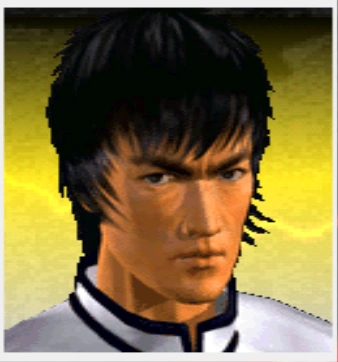
Law is for players who want speed, but new players still need discipline with him. Use short bursts of pressure, not endless panic offense.
- Round plan: move in, apply quick pressure, then reset instead of forcing one more attack.
- What to avoid: attacking until you get interrupted or blocked and punished.
- What success looks like: you stay mobile, get touches often, and avoid giving away free punish windows.
Jin Kazama
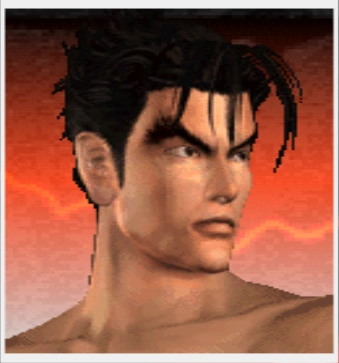
Jin is the strongest all-round learning pick because he does not trap you into one exaggerated style. He teaches spacing, defense, and reliable offense at the same time.
- Round plan: poke, block, watch for mistakes, and play a more balanced round than a reckless one.
- What to avoid: trying to force Jin into a nonstop rush style before you understand spacing.
- What success looks like: your rounds feel controlled, not chaotic, and you stop losing momentum for free.

King
King becomes useful once you stop thinking of him as just a big body. His early strength comes from making people respect close-range pressure and then threatening them when they freeze.
- Round plan: use solid hits to make the opponent cautious, then pressure more confidently at close range.
- What to avoid: fishing for flashy grabs every few seconds without setting them up first.
- What success looks like: the opponent hesitates when you get close, and your pressure starts to feel heavy.
How To Play Your First Few Matches
Your first matches should not be about proving how aggressive you can be. They should be about learning the pace of Tekken 3 and understanding when you are actually in control.
- Open slowly: Let the first few exchanges tell you how quickly the match is moving.
- Test with short pressure: Use simple attacks and see how the other player responds.
- Back off when needed: Resetting position is often smarter than attacking a second time blindly.
- Hit after mistakes: Clean punishes teach you more than reckless momentum ever will.
A Simple In-Match Checklist
If you start feeling lost during a round, reduce the game to a short checklist. This is far more useful than trying to remember everything at once.
- Am I too close for no reason? If yes, reset your spacing.
- Did I block anything cleanly? If yes, look for a simple punish instead of a wild counterattack.
- Did my last attack get blocked badly? If yes, stop repeating it mindlessly.
- Is my opponent swinging first a lot? If yes, defend more and let them create the opening.
- Am I pressing after every recovery? If yes, slow down immediately.
Common Beginner Mistakes
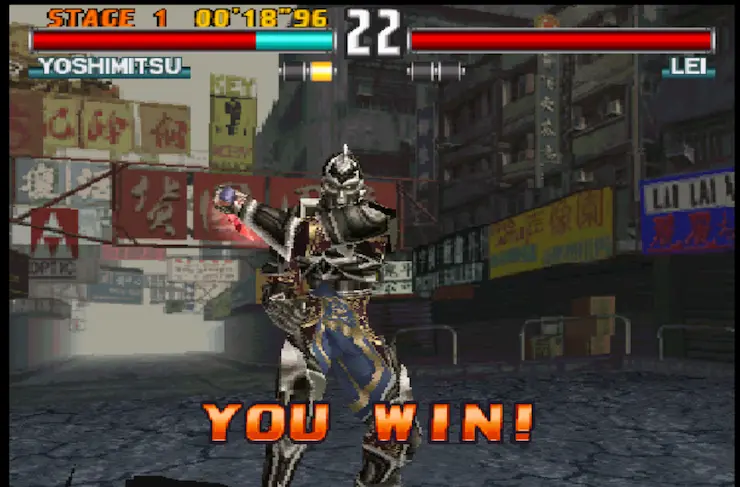
- Mashing too often: Pressing constantly makes your movement and timing worse, not better.
- Ignoring defense: New players often attack through situations where they should block first.
- Choosing style over clarity: A flashy specialist is usually a worse first pick than a simple all-rounder.
- Chasing combos too early: If your basic pressure and punishment are unstable, long combo practice does not solve the core problem.
- Never resetting: Not every hit should turn into nonstop offense. Sometimes the right move is to re-establish spacing.
What To Practice Next
Once you can survive a few rounds without panicking, stop trying to improve everything at once. Use a repeatable routine and let your game become stable before you chase depth.
- Stay on one main character for a while instead of switching every match.
- Keep three reliable tools in mind: one fast attack, one safer pressure option, and one stronger punish.
- Rewatch your own losses mentally and ask whether you lost to impatience, spacing, or overcommitting.
- Notice one range where your attacks feel clean and one range where you keep getting punished.
- Repeat the same simple plan until it feels automatic under pressure.
Useful Session Plan for the First Few Days
- Day 1: choose one character and only focus on movement, blocking, and two safe-feeling attacks.
- Day 2: play several short matches and look only for whiff punishment opportunities.
- Day 3: start recognizing which of your attacks gets punished too often and cut it out.
- Day 4 and after: keep the same character, keep the same plan, and let your consistency improve before you experiment more.
Where To Go Next
FAQ
Who should a beginner use in Tekken 3?
Paul, Law, and Jin are the safest first recommendations because their basic game plans are easier to understand than more unusual roster picks.
Should beginners learn combos first in Tekken 3?
No. Beginners get more value from movement, defense, short pressure, and punishment before trying to learn advanced-looking combo routes.
What is the biggest mistake new Tekken 3 players make?
Mashing too much and attacking every time they recover. Tekken 3 rewards calm timing more than nonstop button pressing.
When should I move beyond my first character?
Once you can play a few matches with a stable rhythm, punish obvious mistakes, and understand your basic attack options, then branching out becomes much more useful.